Tampilkan postingan dengan label Supernova. Tampilkan semua postingan

Selasa, 03 Juli 2018

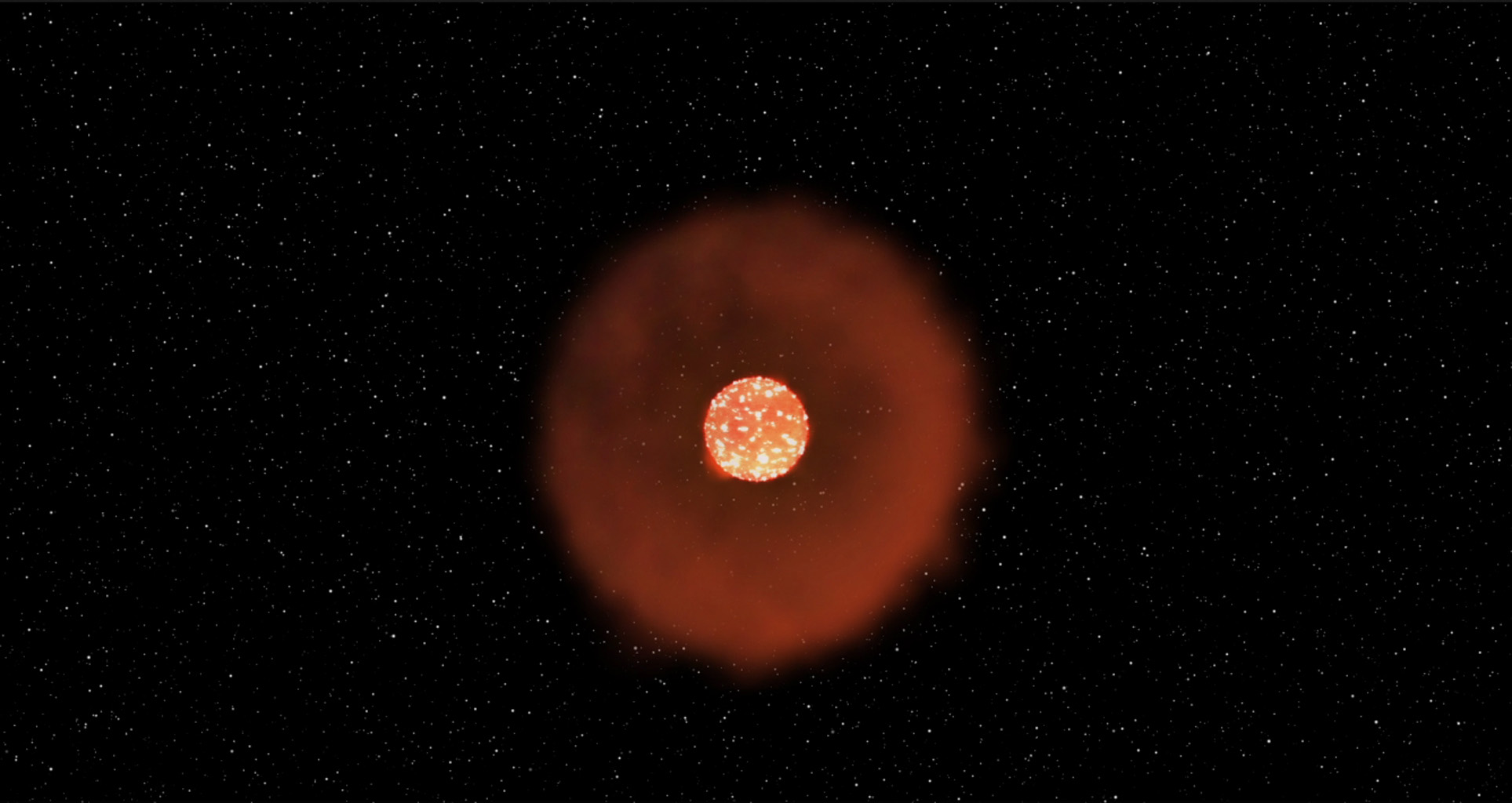
Finding Exploding Stars (Type Felt Supernova)

Supernova
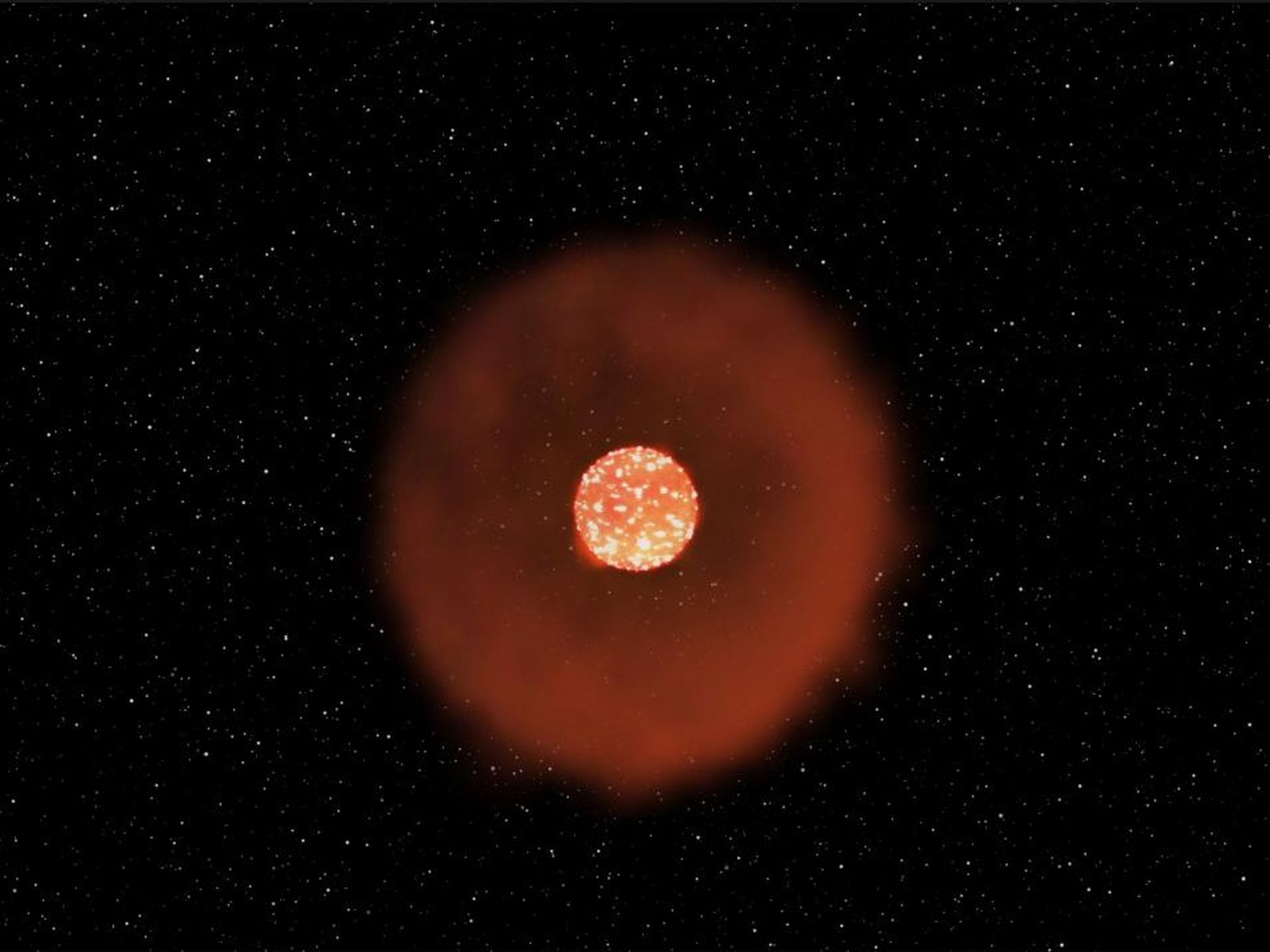
This animation shows a kind of stellar explosion called a Fast-Evolving Luminous Transient. In this case, a giant star "burps" out a shell of gas and dust about a year before exploding. Most of the energy from the supernova turns into light when it hits this previously ejected material, resulting in a short, but brilliant burst of radiation.
Stellar explosions forge and distribute materials that make up the world in which we live, and also hold clues to how fast the universe is expanding. By understanding supernovae, scientists can unlock mysteries that are key to what we are made of and the fate of our universe. But to get the full picture, scientists must observe supernovae from a variety of perspectives, especially in the first moments of the explosion. That's really difficult -- there's no telling when or where a supernova might happen next.
NASA Ames manages the Kepler and K2 missions for NASA's Science Mission Directorate. JPL managed Kepler mission development. Ball Aerospace & Technologies Corporation operates the flight system with support from the Laboratory for Atmospheric and Space Physics at the University of Colorado in Boulder.
For more information on the Kepler and the K2 mission, visit www.nasa.gov/Kepler.
For more information about exoplanets, visit https://exoplanets.nasa.gov/.

view picture 1600x1200
view picture 1920x1200


Finding Exploding Stars (Type Ia Supernova from a White Dwarf Stealing Matter)

Kepler Beyond Planets

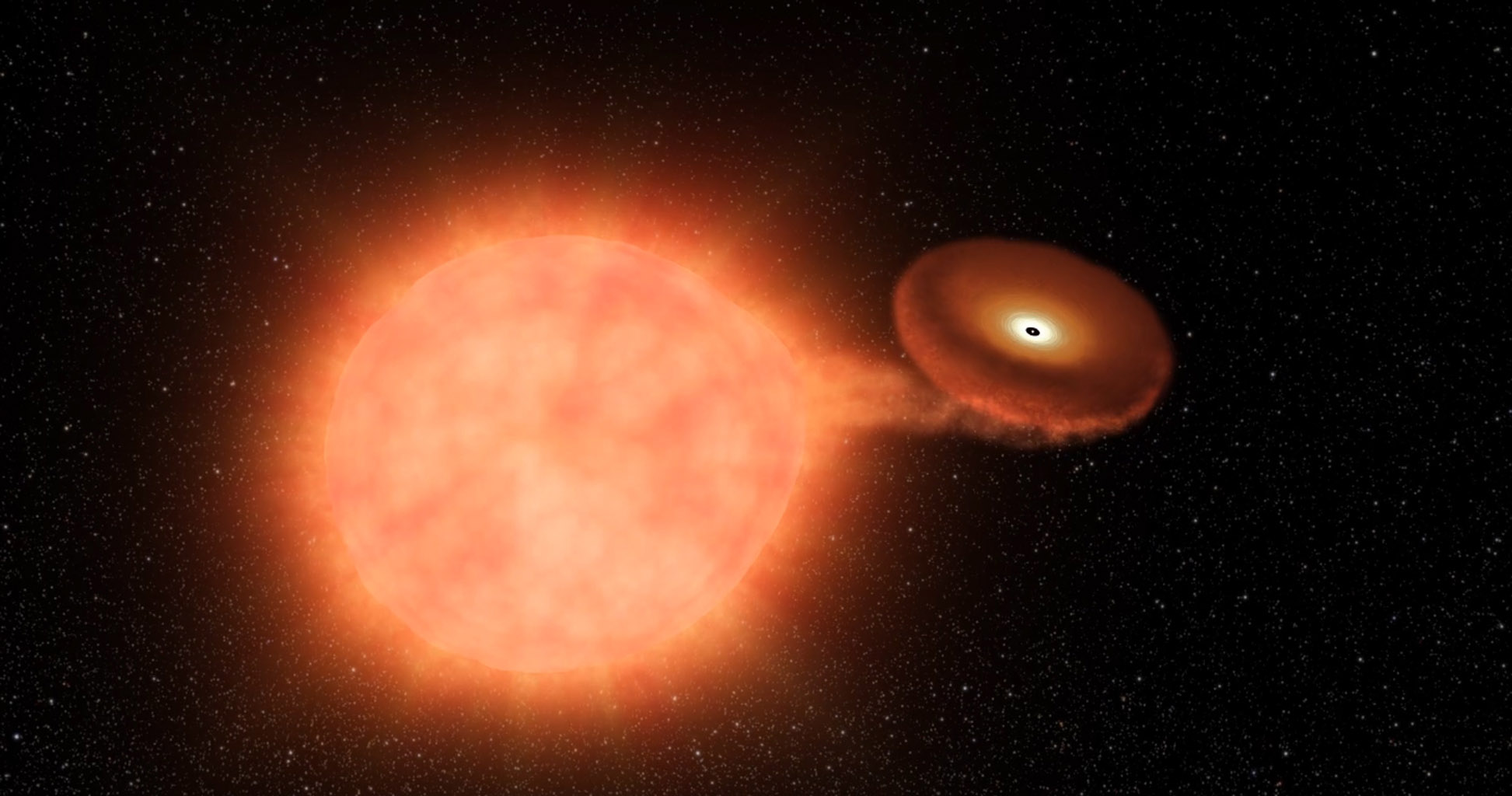
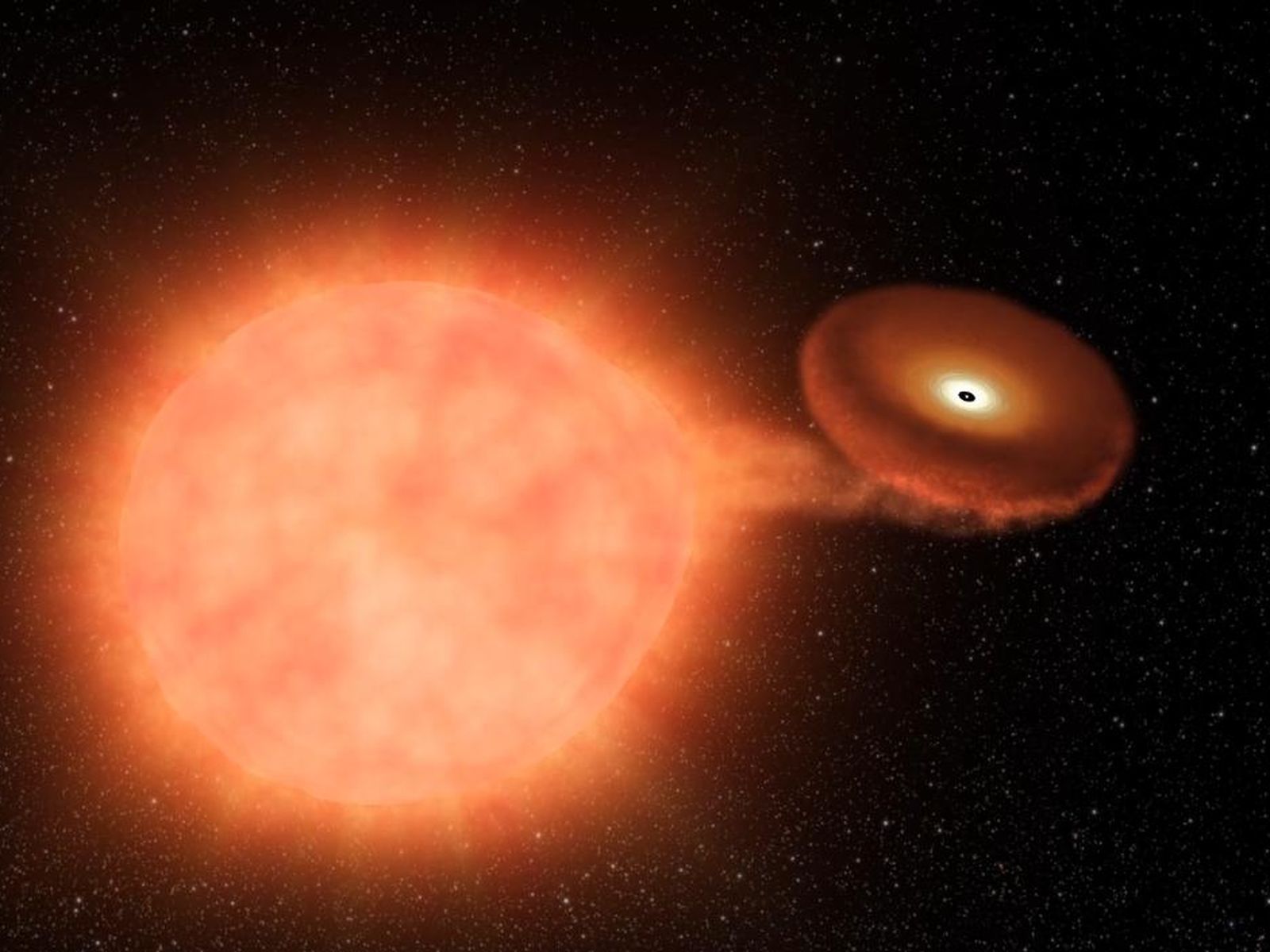
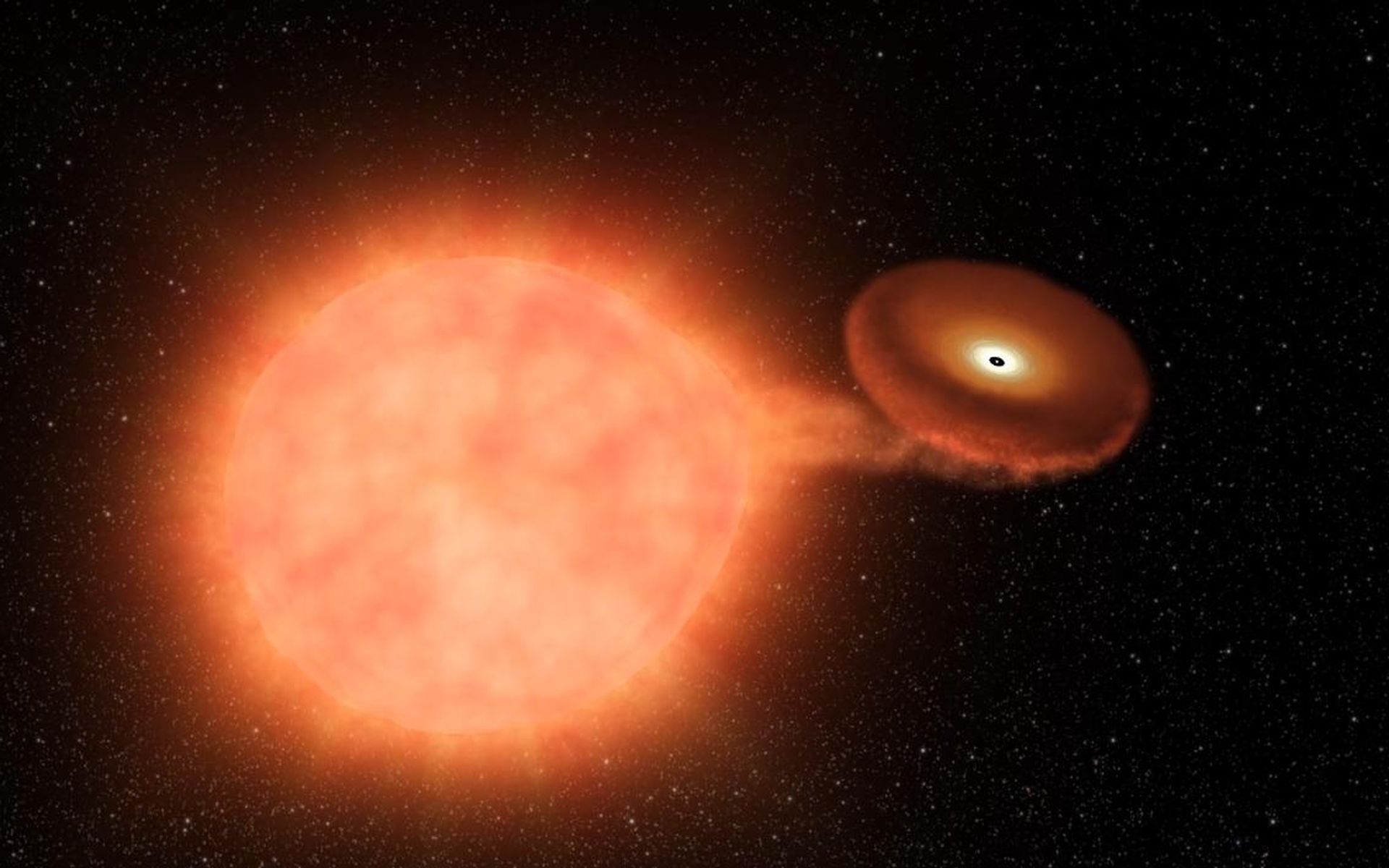
This animation shows the explosion of a white dwarf, an extremely dense remnant of a star that can no longer burn nuclear fuel at its core. In this "type Ia" supernova, white dwarf's gravity steals material away from a nearby stellar companion. When the white dwarf reaches an estimated 1.4 times the current mass of the Sun, it can no longer sustain its own weight, and blows up.
Stellar explosions forge and distribute materials that make up the world in which we live, and also hold clues to how fast the universe is expanding. By understanding supernovae, scientists can unlock mysteries that are key to what we are made of and the fate of our universe. But to get the full picture, scientists must observe supernovae from a variety of perspectives, especially in the first moments of the explosion. That's really difficult -- there's no telling when or where a supernova might happen next.
NASA Ames manages the Kepler and K2 missions for NASA's Science Mission Directorate. JPL managed Kepler mission development. Ball Aerospace & Technologies Corporation operates the flight system with support from the Laboratory for Atmospheric and Space Physics at the University of Colorado in Boulder.
For more information on the Kepler and the K2 mission, visit www.nasa.gov/Kepler.
For more information about exoplanets, visit https://exoplanets.nasa.gov/.

view picture 1600x1200
view picture 1920x1200
download full-res TIFF
Animation


Kepler Beyond Planets: Finding Exploding Stars (Type Ia Supernova from a White Dwarf Merger)

Supernova from a white Dwarf Merger


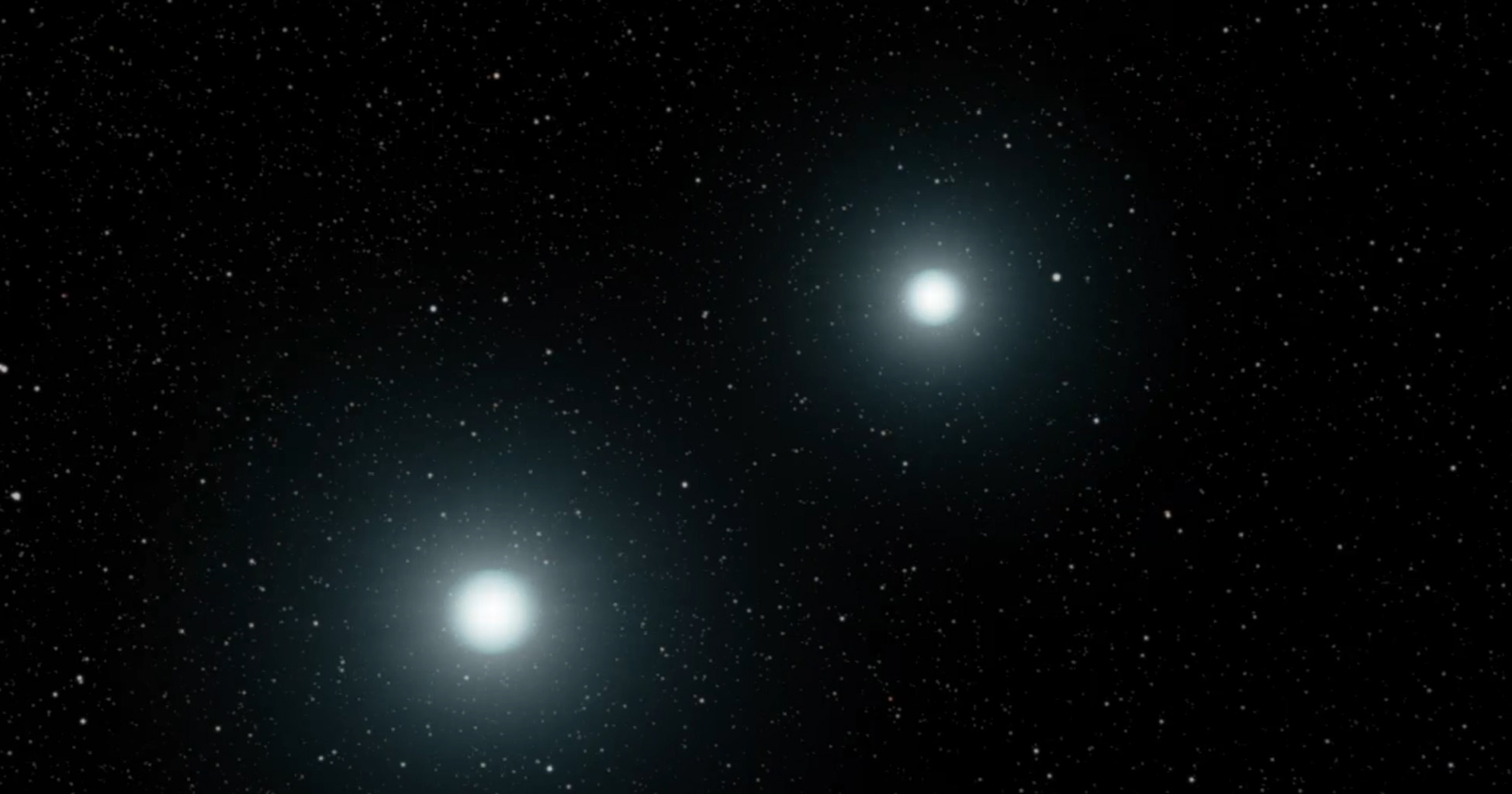
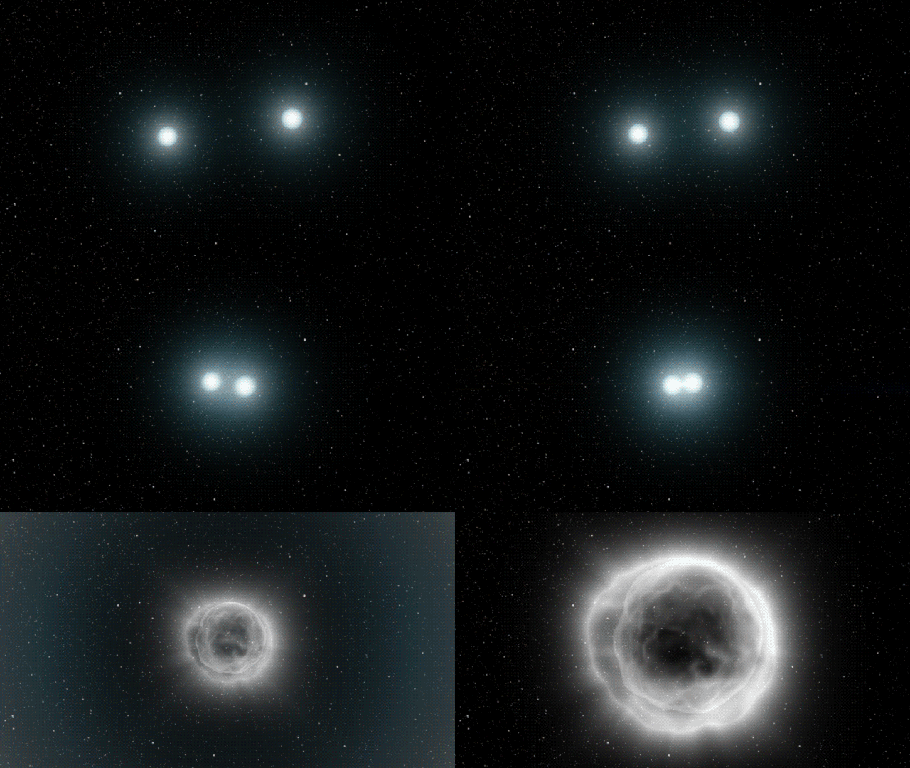
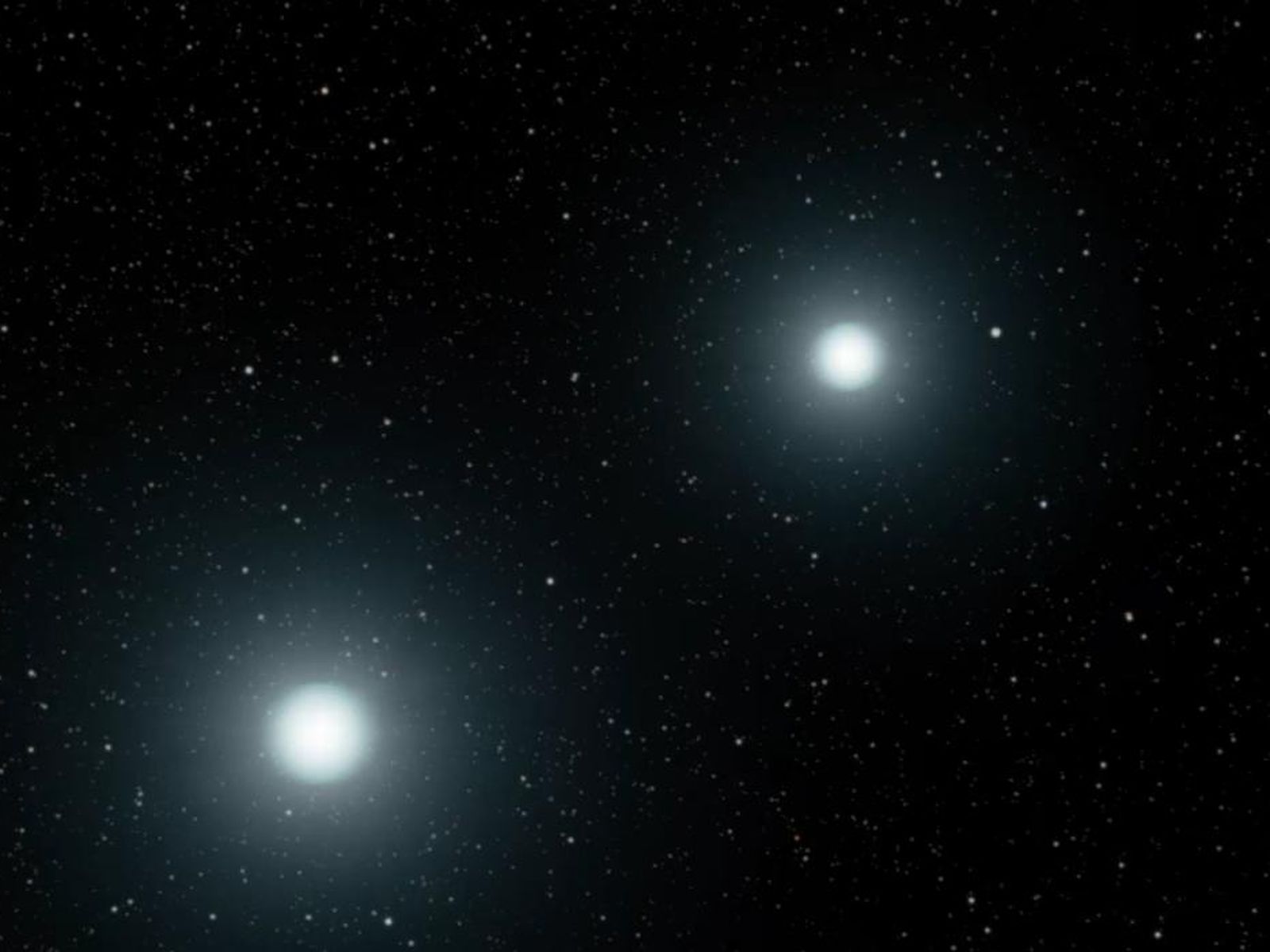
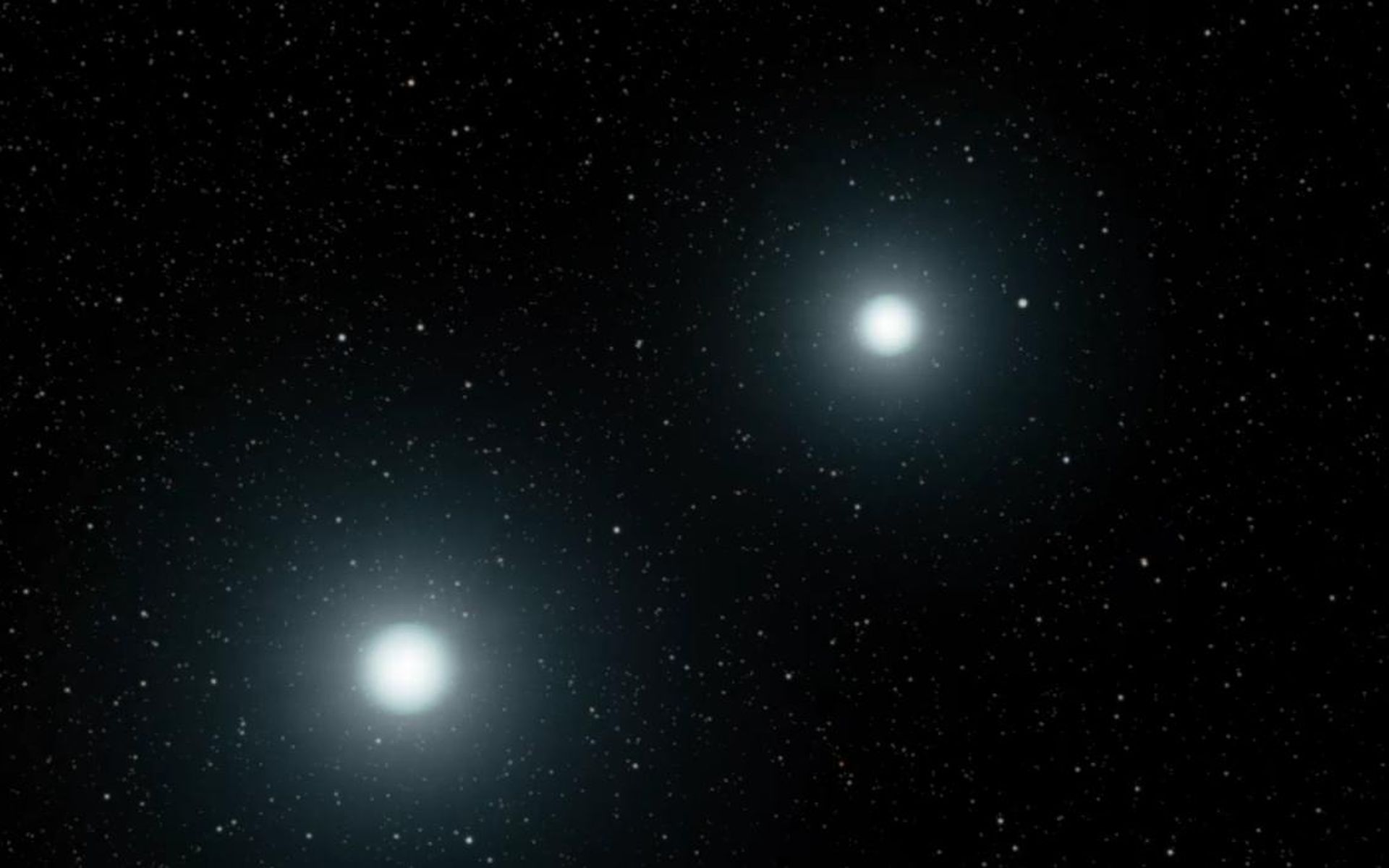
This animation shows the merger of two white dwarfs. A white dwarf is an extremely dense remnant of a star that can no longer burn nuclear fuel at its core. This is another way that a "type Ia" supernova occurs.
Stellar explosions forge and distribute materials that make up the world in which we live, and also hold clues to how fast the universe is expanding. By understanding supernovae, scientists can unlock mysteries that are key to what we are made of and the fate of our universe. But to get the full picture, scientists must observe supernovae from a variety of perspectives, especially in the first moments of the explosion. That's really difficult -- there's no telling when or where a supernova might happen next.
NASA Ames manages the Kepler and K2 missions for NASA's Science Mission Directorate. JPL managed Kepler mission development. Ball Aerospace & Technologies Corporation operates the flight system with support from the Laboratory for Atmospheric and Space Physics at the University of Colorado in Boulder.
For more information on the Kepler and the K2 mission, visit www.nasa.gov/Kepler.
For more information about exoplanets, visit https://exoplanets.nasa.gov/.

view picture 1600x1200
view picture 1920x1200
download full-res TIFF